Voting is a right
Exercise this right to make a difference
About Power of Voting
The power of voting in an election lies in its ability to influence the outcome of government decisions and the selection of leaders who will lead the Province or Country based on the number of seats they win in the election for their party.

Democratic Participation
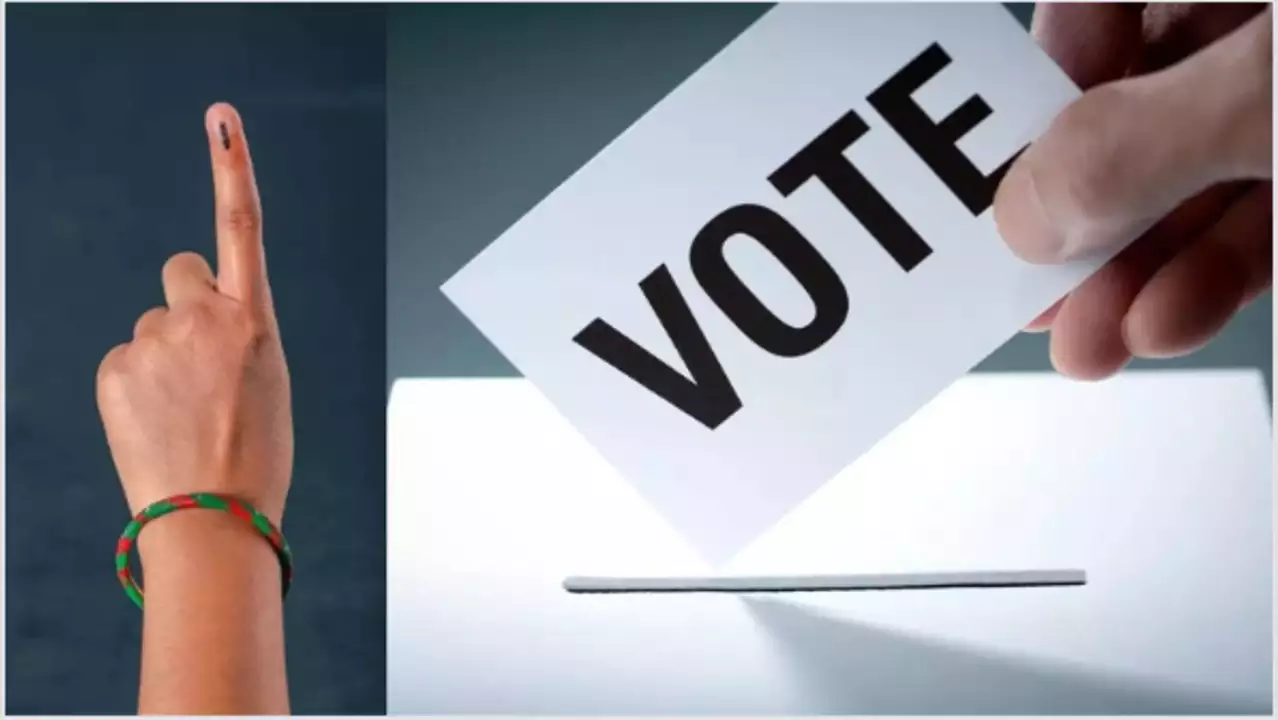
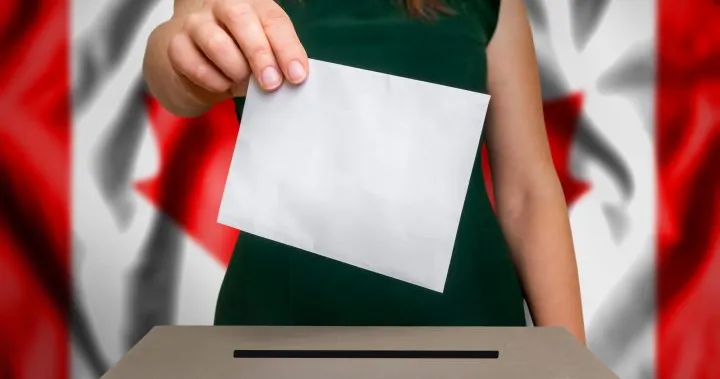
Voting is a fundamental way for citizens to participate in democracy, ensuring that the government reflects the will of the people. It is a fundamental right for each citizen to have a vote and the power to have a say in who governs and makes decisions on behalf of the people.
Representation
By voting, individuals help choose representatives who will advocate for their interests and address their concerns in legislative bodies. It is important that the governing party is aligned with the wishes of the voters. This alignment is checked during every election where the people decide if the government is doing a good job.
Accountability
Elections allow voters to hold elected officials accountable for their actions and policies. If officials do not perform well, voters can choose to replace them in the next election. Voters can choose to vote out an individual they are not happy with or the whole government if with the choices they make in the voting booth.
twitter tweets
By exercising their right to vote, citizens have a direct impact on the governance of their community, city, province, or country.
Accountability: Voting allows citizens to hold elected officials accountable. If leaders fail to meet the expectations of their constituents, voters can replace them in subsequent elections.
Influence on Policy: Voting influences public policy and the direction of the government. Different candidates and parties have distinct platforms, and voting determines which policies will be prioritized.
Protecting Rights: Voting helps protect individual rights and freedoms. By choosing leaders who uphold democratic principles, voters help safeguard their own rights and those of others.
Community Engagement: Voting fosters a sense of community and civic engagement. It encourages individuals to be informed about issues and participate actively in public life.
Frequently Asked Questions
Canada is divided into 338 ridings (also called electoral districts). One representative, or member of Parliament, is elected for each riding.
Each riding has a returning officer, who opens an office when an electoral event is called. The returning officer is responsible for organizing and administering federal elections and referendums in that riding.
You can find the name of your riding using the Voter Information Service.
There are 338 ridings in Canada, divided as follows:
- Newfoundland and Labrador – 7
- Prince Edward Island – 4
- Nova Scotia – 11
- New Brunswick – 10
- Ontario – 121
- Quebec – 78
- Saskatchewan – 14
- Manitoba – 14
- Alberta – 34
- British Columbia – 42
- Yukon – 1
- Northwest Territories – 1
- Nunavut – 1
The Commissioner of Canada Elections is the independent officer whose duty is to ensure that the Canada Elections Act is complied with and enforced. For complaints or allegations of wrongdoing, you must contact the Commissioner.
To provide feedback on the conduct of an election, an election worker or another general matter, please use the online complaint form. At election time, feedback forms are also available at the polls as well as at Elections Canada offices.
The Office of the Chief Electoral Officer (Elections Canada) handles complaints that are not believed to be violations of the Canada Elections Act.
Electors may get live or recorded phone calls (“robocalls”). If you believe you have received a misleading or inappropriate call, please write to the Office of the Commissioner of Canada Elections.
Telephone calls to electors are legal and a normal part of campaigning. This includes live calls and “robocalls” (calls made using an Automatic Dialing-Announcing Device or ADAD).
Parties, candidates and third parties may call to:
- promote or oppose a party or candidate
- encourage people to vote
- provide information about voting hours and locations
- gather information about voting intentions and past voting practices
- raise money for a party or contestant
Calls must comply with the Canada Elections Act, which (among other things) makes it illegal to:
- falsely represent yourself as being from Elections Canada or from a candidate’s or party’s office with the intent of misleading another person
- induce a person to vote, to refrain from voting, or to vote for or against a particular candidate by “any pretence or contrivance,” for example, through a misleading call
- knowingly make a false statement of fact in relation to the personal character or conduct of a candidate with the intention of affecting the result of the election
Following changes to the Canada Elections Act in June 2014, there are new requirements for calling service providers who contact electors as well as for people or groups (such as political parties) who enter into agreements with such providers or who contact electors directly using their internal services or an ADAD. These include registration requirements, which are administered by the CRTC through the Voter Contact Registry.
As well, the CRTC’s Unsolicited Telecommunications Rules apply to some unsolicited telecommunications made by or on behalf of political entities, including registered parties, riding associations, candidates and their official campaigns, as well as third parties.
We will:
- make sure you have the correct information you need to vote
- ask for details about the communication you received
- respond operationally as appropriate, for instance by:
- checking if others received similar calls
- contacting the group making the calls (if known) to ask them to stop
- reminding people to visit elections.ca or call Elections Canada if they have questions or concerns
- warning people about the misleading communication through local media, social media, a message on our website or staff on the ground
It is illegal to willfully misdirect electors in order to prevent them from voting, whether it’s done by live phone call, robocall, text, letter or some other manner.
If it appears an offence was committed under the Canada Elections Act, we may share the information you provide with the Commissioner of Canada Elections and, in some cases, the CRTC. Read more about the organizations we share information with.
No. Elections Canada never phones, texts or e-mails electors to tell them where to vote or to say that a polling place has moved.
We inform all registered electors of where to vote by mailing them a voter information card. Electors can also contact Elections Canada or enter their postal code in the Voter Information Service to find out where to vote.
No.
By law, we supply electors’ lists to political parties and candidates; the lists contain only the name, address and unique identifier number for each registered voter. Often, parties and candidates get electors’ phone numbers from another source, like a commercial data broker.
Elections Canada administers federal elections. Other organizations also have a role:
- The Commissioner of Canada Elections is the officer whose duty is to ensure that the Canada Elections Act and the Referendum Act are complied with and enforced. A written agreement outlines how the Commissioner and the Chief Electoral Officer collaborate on the administration and enforcement of the Canada Elections Act.
- The CRTC is the commission that administers the new Voter Contact Registry. In addition, in accordance with the Telecommunications Act, the CRTC regulates unsolicited telecommunications, including many of the calls made on behalf of political entities.
If Elections Canada has information about a possible offence under the Canada Elections Act, we may share it with the Office of the Commissioner of Canada Elections, the independent officer responsible for ensuring that the Canada Elections Act is complied with and enforced.
If we have information relating to the Unsolicited Telecommunications Rules or Voter Contact Registry, we may share it with the CRTC.
We have signed memoranda of understanding with these organizations to govern our information sharing.
We may also disclose information on criminal activities to law enforcement authorities.